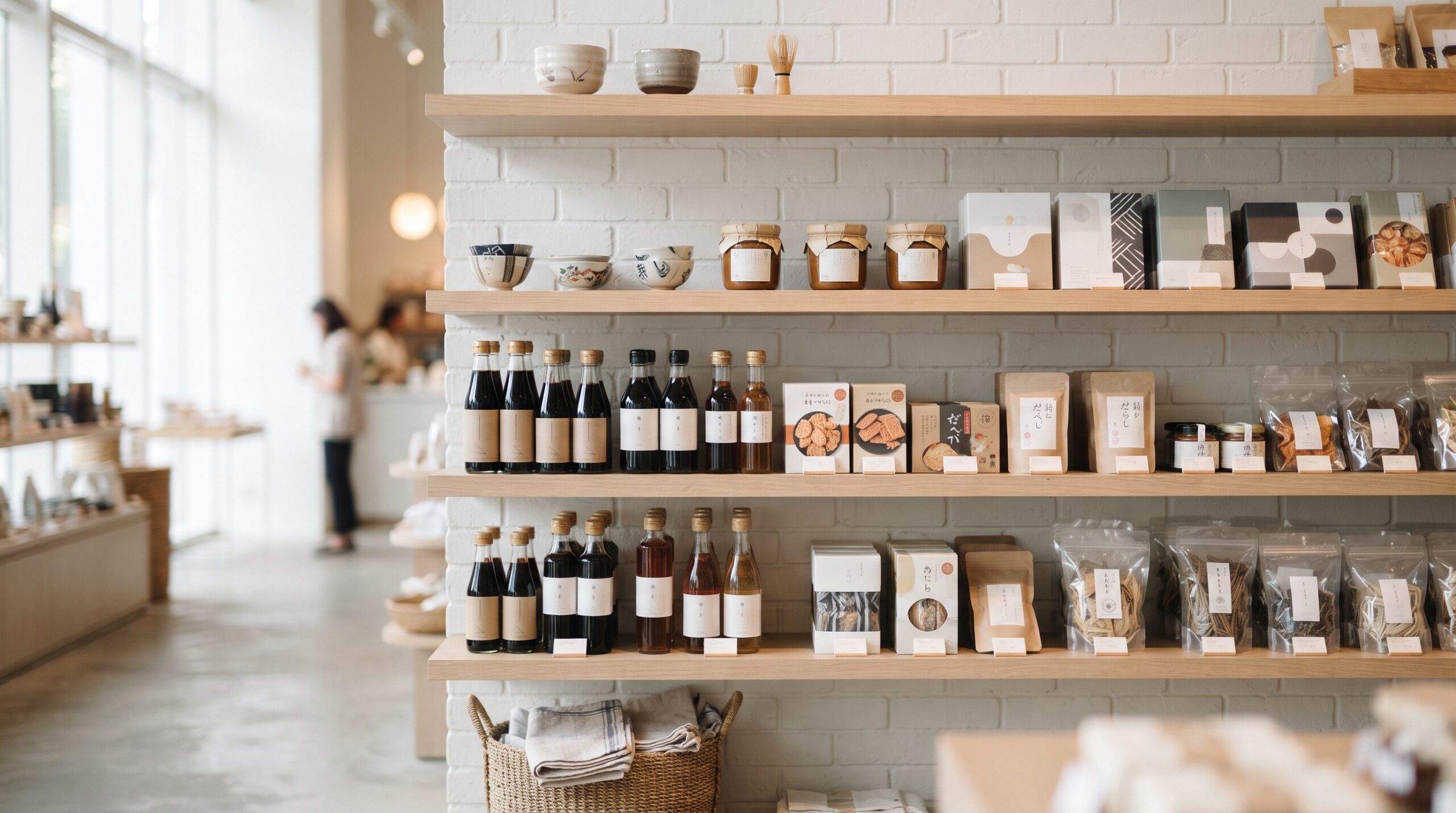
If you have eaten well at one of Manila’s Japanese restaurants and thought about cooking some of it at home, the hard part is not finding a Japanese grocery store. There are more than a dozen between Makati and BGC.
The hard part is that they are not interchangeable. The price gap between them is wide, some are the size of a convenience store and some are a full supermarket, and almost every guide to them was written in Japanese for Japanese residents who already know what they are looking at.
This one is written for the rest of us: foreigners living in the Philippines who want Japanese ingredients without paying premium prices for things that were sitting in the supermarket down the road.
Start by deciding which tier you need
Before you drive anywhere, work out which of two problems you are solving.
Tier 1: the supermarket you already go to
Landers, S&R, Rustan’s and Marketplace all carry an Asian aisle, and it is better stocked than most people assume: Kikkoman soy sauce, Japanese-style short-grain rice, panko, nori, rice vinegar, instant ramen and often a basic miso. These are the same branded products a Japanese store sells, at ordinary supermarket prices.
For a lot of everyday Japanese home cooking — teriyaki, katsu, rice bowls, simple noodle dishes — that aisle is genuinely enough.
Tier 2: the dedicated Japanese stores
What the supermarket aisle does not have: real mirin rather than the “aji-mirin” seasoning blend, the full range of miso, proper dashi, natto, sashimi-grade fish, Japanese produce, wagashi confections and wagyu. That is what the Makati and BGC stores are for.
A workable rule: buy the boring things where you already shop, and make one deliberate trip a month for everything else.
The eight-item starter pantry
If you are building a Japanese pantry from nothing, this is the order to do it in. Get through these eight and you can cook most home-style Japanese food.
| Ingredient | Why it matters | Where to buy it |
|---|---|---|
| Short-grain (japonica) rice | Long-grain rice will not behave the way Japanese recipes expect. This single swap does more than any other. | Mainstream supermarket |
| Soy sauce | The backbone. Japanese soy sauce is lighter and sweeter than Chinese dark soy. | Mainstream supermarket |
| Mirin | Sweetness and gloss in almost every simmered dish. The “aji-mirin” seasoning in supermarkets is a substitute, not the same thing. | Japanese store |
| Miso | Soup, marinades, dressings. White (shiro) miso is the forgiving one to start with. | Japanese store |
| Dashi | The savoury base under nearly everything. Instant granules are fine before you graduate to kombu and katsuobushi. | Japanese store, sometimes supermarket |
| Rice vinegar | Sushi rice, pickles, dressings. Do not substitute white vinegar. | Mainstream supermarket |
| Panko | Coarser than Western breadcrumbs, which is the whole point of katsu. | Mainstream supermarket |
| Nori and toasted sesame | Finishing touches that make food taste correct rather than approximate. | Either |
Makati: the Little Tokyo cluster
Most of Makati’s Japanese stores sit within a few minutes of each other around Chino Roces Avenue and Legazpi Village. You can cover three or four in a single trip, which is the efficient way to do it.
ISEYA — the best first stop
Little Tokyo, 2277 Chino Roces Avenue, Legazpi Village. Open 9:00 to 21:00.
Everyday essentials rather than specialities: cup noodles, drinks, ice cream, snacks, frozen food, plus a sake selection and Japanese household items. Prices are reasonable rather than premium and the range is broad enough to answer most first visits. If you are only going to learn one Japanese store in Makati, learn this one.
Minnano Supermarket — fresh produce and wagyu
1/F Salamin Building, 197 Salcedo Street, Legazpi Village. Open 8:00 to 21:00.
The most supermarket-like of the Makati options, and where to go when you want fresh Japanese produce, natto, miso and curry in one stop. It also carries graded wagyu — A3 to A5, including Kagoshima, Hida, Omi and Kobe. Pricing is premium, so use it for the things you cannot get anywhere else rather than a full weekly shop.
Seikyo — the value option
Jupiter Street, Bel-Air. Small and affordable, strongest on frozen food, cup noodles and Japanese drinks including beer and sake. Worth a stop if you are already in the area; not worth a dedicated drive.
New Hatchin — when a recipe names a specific sauce
Makati. This is where the sauces live: takoyaki sauce, okonomiyaki sauce, the bottled things that recipes assume you can find. It also does prepared food and sashimi, and to-go items like inarizushi if you want lunch while you shop.
Omakase — sashimi and Japanese confections
Makati. A narrow range done well: fresh sashimi and wagashi. Go for those two things, not a general shop.
Tokyo Mart — cosmetics and premium alcohol
Makati. Leans toward Japanese cosmetics and higher-end alcohol rather than cooking ingredients. Useful to know about, but not the answer if you came for miso.
Darumaya Japanese Food Center — wholesale quantities
Plaza #5, Cartimar Avenue, Pasay. Outside the Makati cluster, but the trip pays off if you want larger quantities or the hard-to-find sauces the smaller shops skip.
BGC
MITSUKOSHI FRESH — the easiest one to walk into
Basement 1, Mitsukoshi BGC, 8th Avenue corner 36th Street, Grand Central Park. Open 11:00 to 22:00.
If you visit exactly one Japanese store in Manila, make it this one. It sits inside a mall, which makes the whole experience far less intimidating if you do not read Japanese, and the range is the broadest in the city: fresh sashimi and maguro, wagyu, prepared Japanese dishes, a bakery and gelato counter, sake and shochu, even fresh flowers. There are periodic in-store events such as tuna-cutting demonstrations. Prices are premium and the store does not pretend otherwise.
Patissier Kyo — dinner rather than groceries
BGC. Prepared foods, Japanese bread and wine. Better for picking up a ready-made meal than for stocking a pantry.
Fukuhachi — small and practical
BGC. Compact and unglamorous, reliable for Japanese eggs and instant ramen. The kind of place you use when you need one thing.
Two stores the English guides still list that have closed
Search for Japanese groceries in Manila and you will find current-looking listings for Yamazaki in Little Tokyo and Kobeya on Makati Avenue. Both have closed. Several English-language directories have not been updated, so do not plan a trip around either of them.
What is worth the premium, and what is not
Worth paying Japanese-store prices for:
- Mirin, miso and dashi — the supermarket versions are not equivalent
- Sashimi-grade fish
- Japanese produce: nagaimo, mitsuba, shiso, Japanese cucumbers, seasonal fruit
- Natto, wagashi and seasonal items that simply do not exist elsewhere
- Graded wagyu, if that is the occasion
Not worth it:
- Soy sauce — Kikkoman is Kikkoman wherever you buy it
- Instant ramen and packaged snacks — frequently the same products at a markup
- Short-grain rice — usually cheaper at Landers or S&R
- Kitchenware and tableware
Five things to know before you go
- Cluster the trip. The Chino Roces and Legazpi Village stores are minutes apart. Doing them separately wastes an afternoon in Manila traffic.
- Carry cash. Some of the smaller shops prefer it, and you do not want to discover that at the till.
- Go in the morning for anything fresh. Sashimi, prepared food and bento sell out, and what is left late in the day is what nobody wanted.
- Stock moves with shipments. An item you found last month may not be there this month. Buy two when you find something you rely on.
- Most labels are Japanese only. Your phone camera translation handles this fine — point it at the package rather than guessing.
Frequently asked
Do I need to speak Japanese?
No. Staff generally handle English without difficulty. Product packaging is the real barrier, and that is a phone-camera problem rather than a language problem.
Which single store should I start with?
ISEYA if you are in Makati and want everyday items at sensible prices. MITSUKOSHI FRESH if you are in BGC, want the widest range, and do not mind paying for it.
Can I get everything at a regular supermarket?
Most of the everyday things, yes. What you will not find there is real mirin, a decent range of miso, dashi, natto, sashimi-grade fish or Japanese produce — and those are exactly the items that separate food that tastes Japanese from food that tastes close.
Are opening hours reliable?
The hours above were correct at the time of writing, but smaller independent shops change them without much notice. Call ahead or check the map listing before a long drive.

コメント